Q&A With Dr. Amy Jo Marcano-Reik: Shaping the Future of Digital Medicine at UJ
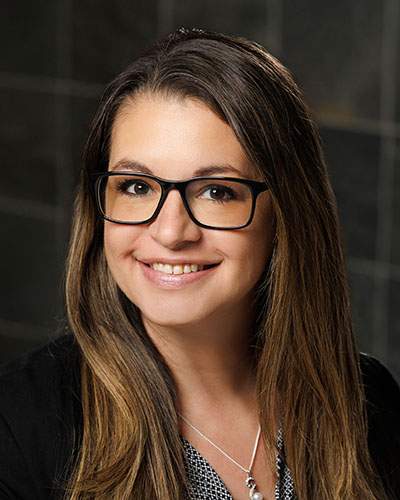
Dr. Amy Jo Marcano-Reik, DPM, PhD, is a Physician-Surgeon-Scientist with over 20-years of experience in higher education and leading and collaborating on clinical and biomedical research (including helping to secure NIH grants).
Q: The healthcare industry seems to be changing at lightning speed. What inspired you and your colleagues to launch the Master of Science in Computational Pathology and Digital Medicine (MSCPDM) program at the University of Jamestown?
A: We’re living through an incredible transformation in healthcare, driven by advances in artificial intelligence, digital diagnostics, precision medicine, and “big data.” But as these innovations accelerate, there simply aren’t enough professionals trained at the intersection of medicine, data science, and computational analysis. We created the MSCPDM program to directly address this gap and to prepare graduates who can no
t only keep up, but also lead, as healthcare evolves.
Q: For someone new to the field, what does “computational pathology” mean, and how is technology changing diagnosis and treatment?
A: Traditionally, pathologists spent their time looking at tissue slides under a microscope. Now, those slides are being scanned into high-resolution digital images, which can be analyzed by both humans and computers. This digital shift allows for remote consultations, more efficient collaboration, and the integration of pathology with genetic, molecular, and imaging data, the foundation for precision medicine. With computational pathology, we’re not just asking what a tissue sample looks like, but what genes, proteins, and cellular mechanisms are doing inside the cells.
Q: There’s a lot of AI talk in every industry, including healthcare. Can you share real-world examples where these tools have made a difference?
A: Absolutely. AI models now analyze pathology slides and radiology images with remarkable speed and accuracy—sometimes finding subtle abnormalities that might otherwise go undetected. For example, AI-assisted colonoscopy tools have improved colorectal cancer screening by identifying polyps earlier. Other digital tools predict how a patient might metabolize particular medications or help clinicians choose which patients are most likely to benefit from new immunotherapies. There’s also growing integration with electronic health records to warn about drug interactions and suggest evidence-based treatments for chronic conditions.
Q: What kinds of students do you think will thrive in this program? And what unique strengths do career changers or non-traditional students bring?
A: The students who excel are curious about how technology can transform healthcare, comfortable with complexity, and passionate about improving patient outcomes. The field welcomes problem-solvers, critical thinkers, and those who love working across disciplines. Career changers. Whether they come from medicine, engineering, computer science, or life sciences, bring invaluable experience and perspective that enriches our learning community and drives innovation.
Q: Many prospective students are juggling families, jobs, and other commitments. How does the MSCPDM program support work-life balance?
A: We designed the program with working professionals, caregivers, and career changers in mind. The curriculum is flexible, with online and asynchronous courses, and individualized support from faculty who have real-world experience. Students can tailor their schedules and even pursue additional certifications if they wish. Success isn’t about having unlimited time, it’s about having the right structure, support, and purpose.
Q: Ethics and patient privacy are big concerns in digital medicine. How does your program address these challenges?
Dr. Marcano-Reik: Ethical, legal, and policy challenges are woven throughout our curriculum. We focus on privacy, informed consent, cybersecurity, fairness in AI, and regulatory oversight. Our students don’t just learn the theory, they apply these principles in real-world contexts, preparing them to lead ethically in this evolving field.
Q: What excites you most about the future of digital medicine, and how do you see your graduates shaping that future?
A: I’m excited by how quickly we’re moving toward truly personalized, predictive, and proactive medicine. Our Jimmie graduates will be ready to lead this transformation in integrating technology, clinical insight, and scientific rigor to improve diagnostics, treatment, and ultimately, patient lives. They won’t just react to change, they’ll drive it.
Q: Finally, what advice would you give to someone considering a future in computational pathology and digital medicine?
A: Embrace lifelong learning and be open to collaboration across fields. The opportunities are growing rapidly, from clinical AI implementation to digital health leadership. If you’re passionate about making a difference, now is the perfect time to join us and help shape the future of healthcare.
Check out the MSCPDM program at UJ Accelerated and, if you have questions or want to learn more, reach out directly to Amy.MarcanoReik@uj.edu.